
The Ultimate Guide to Choosing the Right Martial Arts Class for You


Understanding Your Goals
Before diving into the world of martial arts, it's crucial to understand your personal goals. Are you looking to improve your physical fitness, learn self-defense, or perhaps find a new hobby? Clarifying your objectives will guide you towards the martial arts style that best suits your needs.
For instance, if your primary aim is self-defense, disciplines like Krav Maga or Brazilian Jiu-Jitsu might be ideal. Alternatively, if fitness and conditioning are your focus, Muay Thai or Kickboxing could be more appropriate. Identifying your goals is the first step in choosing the right class.
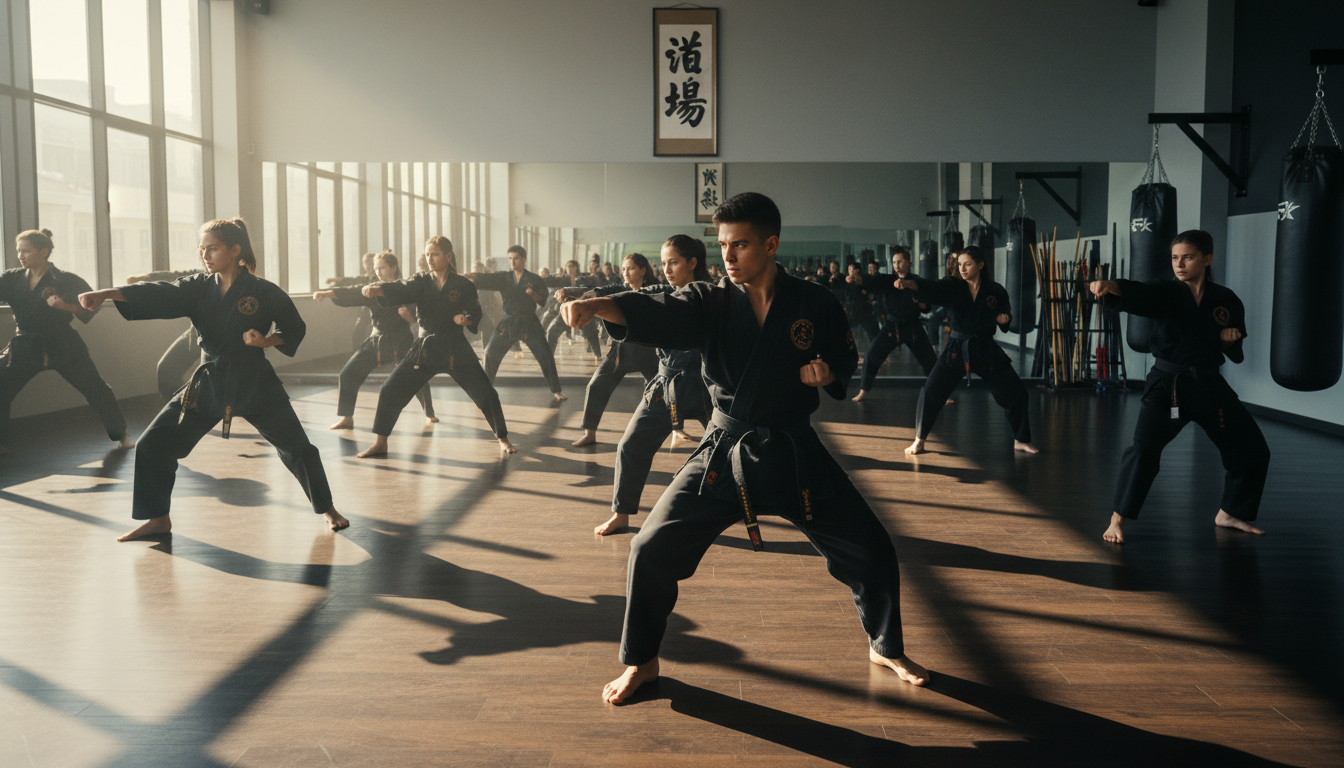
Exploring Different Martial Arts Styles
With your goals in mind, explore various martial arts styles. Each style offers unique benefits and challenges. Here’s a brief overview of some popular styles:
- Karate: Focuses on striking and self-defense techniques.
- Judo: Emphasizes throws and groundwork, excellent for balance and coordination.
- Taekwondo: Known for its dynamic kicks and speed training.
- Brazilian Jiu-Jitsu: Concentrates on ground fighting and submissions.
Researching these styles will help you decide which aligns with your interests and goals.
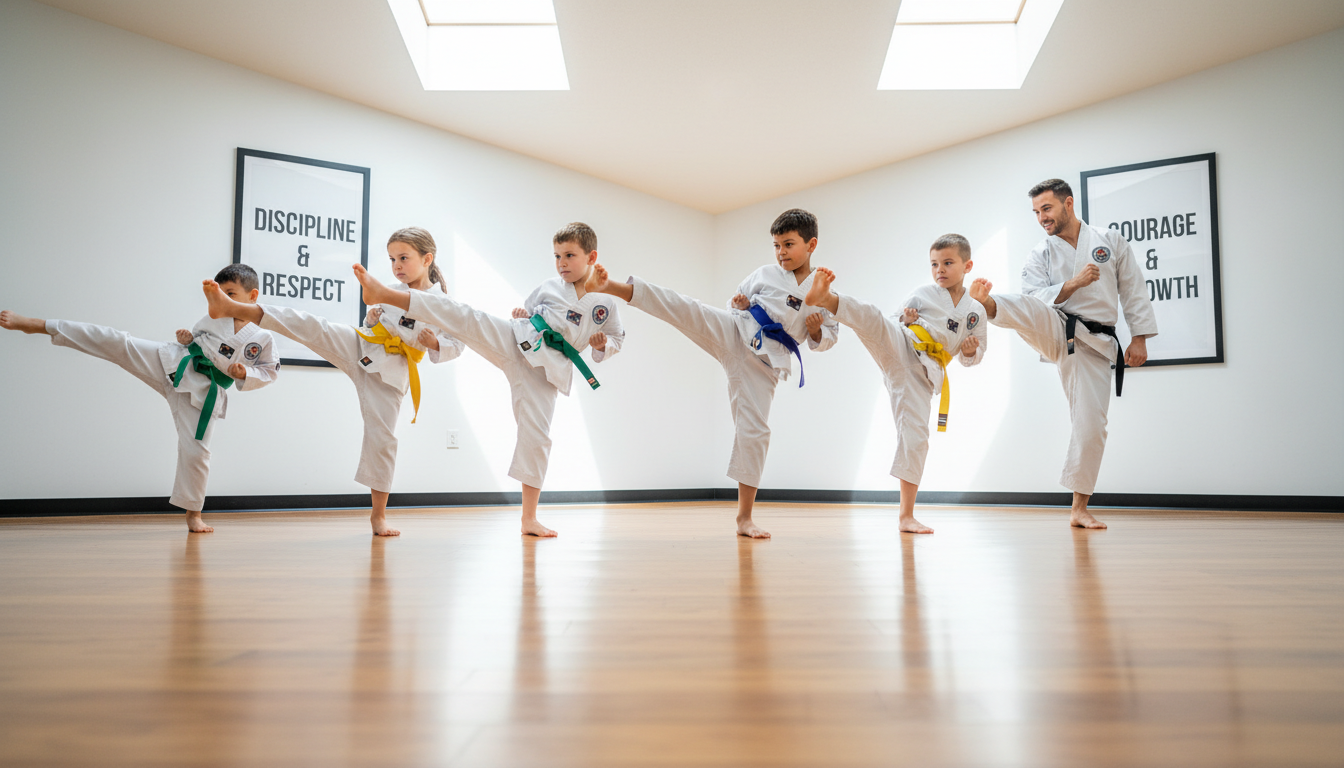
Evaluating Instructors and Schools
Once you have an idea of the style you prefer, it's time to evaluate potential schools and instructors. A good instructor can make a significant difference in your learning experience. Consider the following factors:
- Instructor's credentials and experience.
- Class size and student-to-teacher ratio.
- School's philosophy and teaching methods.
Visiting the school, attending a trial class, and speaking with current students can provide valuable insights.
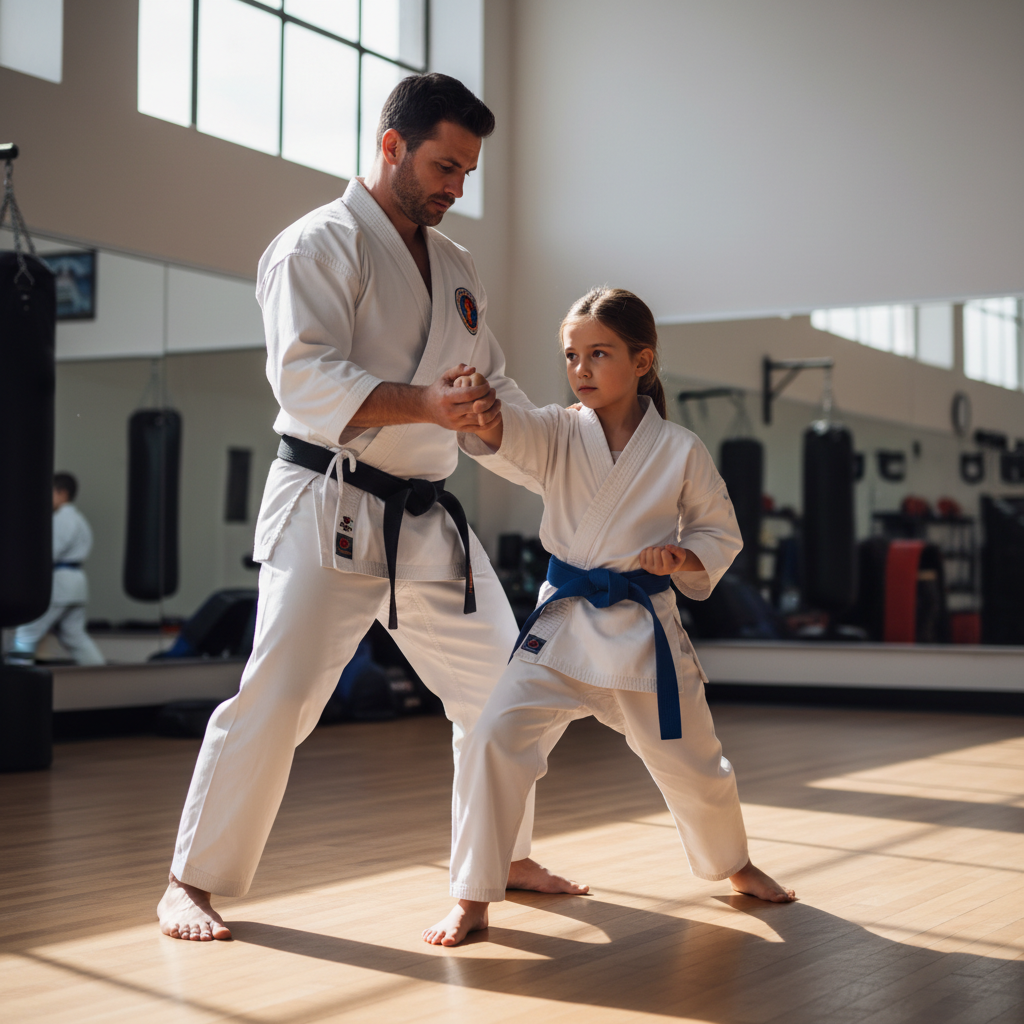
Understanding Class Structure and Environment
Martial arts classes can vary significantly in structure and environment. Some schools may focus more on competition, while others emphasize traditional techniques and values. Consider whether you prefer a more competitive environment or a traditional, disciplined approach.
The class schedule is another important factor. Ensure that the class timings align with your personal schedule to maintain consistency in attendance. A class environment that feels welcoming and supportive is crucial for sustained motivation and growth.
Assessing Cost and Commitment
Martial arts classes can be a financial and time commitment. Evaluate the cost of classes, including any additional fees for uniforms, equipment, or testing. Many schools offer different payment plans or discounts for long-term commitments.
It’s also essential to consider the time commitment involved. Regular attendance is key to progress in martial arts, so ensure you can commit the necessary time each week.
Making Your Decision
After gathering all the information, it's time to make a decision. Remember that choosing a martial arts class is a personal journey. Trust your instincts and choose a class where you feel comfortable and excited to learn. The right martial arts class can offer numerous benefits beyond physical fitness, such as improved discipline, confidence, and mental well-being.
Embark on this exciting journey with confidence, knowing you've taken the right steps to find the perfect martial arts class for you.